
CM Punjab Livestock Asset Transfer Scheme 2026
The Punjab Government has introduced a major initiative to empower rural women through the Livestock Asset Transfer Scheme.Through this scheme, livestock assets worth 2 billion rupees have been distributed to women in Southern Punjab. This makes it one of the largest women empowerment programs in Pakistan’s rural areas.
The initiative aims to help rural women become financially independent by providing them with livestock. This step represents significant progress in Pakistan’s rural development efforts and demonstrates the government’s commitment to supporting women in agriculture and livestock sectors.
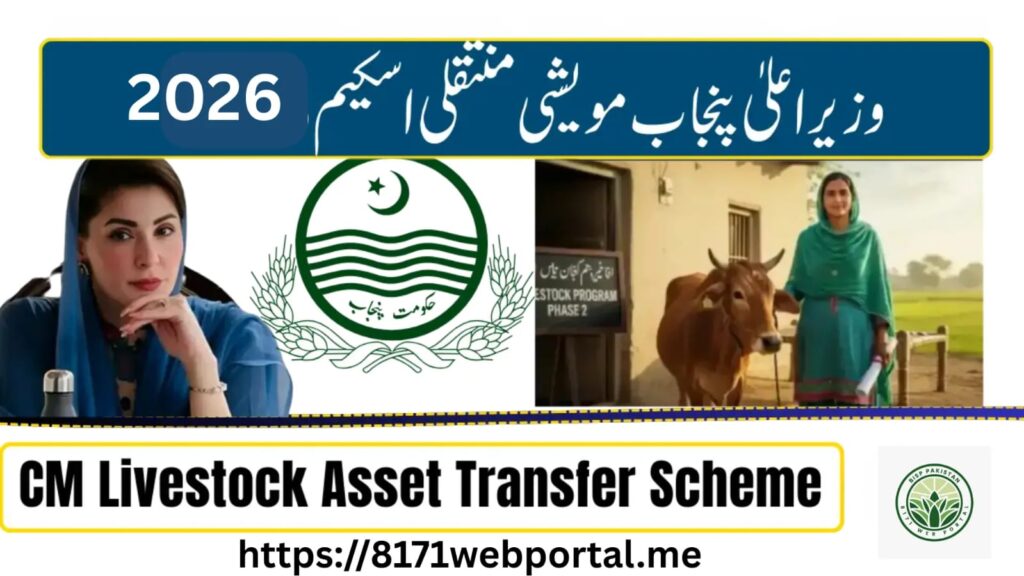
Overview of the Livestock Asset Distribution Program
Under the leadership of Provincial Minister for Livestock Punjab Syed Ashiq Hussain Kirmani, the transparent e-balloting and inauguration ceremony was successfully completed. This scheme specifically targets rural women (دیہی خواتین) from Southern Punjab regions including Multan, Bahawalpur, and surrounding districts.
The program operates under the Livestock & Dairy Development Department, Government of Punjab, ensuring fair and transparent distribution of livestock assets to deserving women.
Key Highlights of the 2 Billion Rupees Initiative
Transparent E-Balloting Process
The scheme introduced a completely transparent selection process through electronic balloting, supervised by Provincial Minister Syed Ashiq Hussain Kirmani. This ensures that deserving rural women are selected without any bias or favoritism.
Assets Worth 2 Arb Rupees Distributed
The government has allocated a massive budget of 2 billion rupees for this phase, providing livestock assets including:
- Cows (گائے): High-quality dairy cows for milk production
- Buffaloes (بھینس): Buffalo calves for enhanced milk yield
- Goats/Sheep (بکری/بھیڑ): Small ruminants for quick income generation
- Feed Support: Initial animal feed provisions
- Veterinary Services: Free health checkups and vaccinations
How to Check Your Name in the Beneficiary List
If you have applied for the scheme, you can easily check whether your name appears in the successful beneficiaries list by following these simple steps:
Step-by-Step Guide:
- Visit the official portal: https://attrw.punjab.gov.pk and https://8171webportal.me/cm-punjab-e-taxi-scheme-2026/
- Look for “Beneficiary List” or “کامیاب خواتین کی فہرست” section
- Enter your CNIC number or name
- Select your district (Southern Punjab regions)
- Click “Search” to view your status and details
Important: All successful women can check their names and complete details on this government portal. Keep your CNIC handy for verification.
Eligibility Criteria for CM Livestock Scheme 2026
To qualify for this transformative program, applicants must meet the following requirements:
- Must be a female resident of rural Punjab (especially Southern Punjab)
- Belong to a low-income household
- Possess a valid CNIC (Computerized National Identity Card)
- Should not already own large livestock
- Preference given to widows, divorced women, and female-headed households
- Must have basic space/shelter for animal care
Purpose and Benefits of the Livestock Asset Transfer Scheme
Primary Objectives:
Unlike one-time cash assistance programs, this initiative focuses on creating sustainable income sources for rural women. The key purposes include:
- Permanent Income Generation: Through milk production, breeding, and livestock-related businesses
- Women Empowerment: Financial independence and economic participation
- Nutrition Improvement: Access to fresh milk and dairy products for families
- Poverty Alleviation: Breaking the cycle of economic dependency
- Rural Development: Strengthening the agricultural economy of Southern Punjab
Long-Term Benefits for Beneficiaries:
| Benefit Type | Impact |
|---|---|
| Monthly Milk Income | Rs. 15,000 – 30,000 per animal |
| Breeding Income | Additional Rs. 30,000 – 50,000 per calf/kid |
| Household Nutrition | Free milk and dairy products for family |
| Skills Development | Training in animal husbandry and management |
| Social Status | Enhanced decision-making power in household |
How to Apply for Future Phases (2026 Registration)
If you missed this round, don’t worry! The Punjab Government regularly announces new phases of the scheme. Here’s how you can apply:
Application Process:
- Through Livestock Department: Visit your nearest Livestock & Dairy Development office
- Union Council Registration: Contact your local UC or district government office
- Online Registration: Watch for announcements on the official portal
- Mobile Registration Camps: Government organizes registration drives in rural areas
Required Documents:
- Original CNIC (Computerized National Identity Card)
- Domicile certificate (Southern Punjab districts)
- Income certificate or affidavit
- Proof of residence
- Recent passport-size photographs
Training and Support Services
The scheme doesn’t just provide livestock—it ensures long-term success through comprehensive support:
- Animal Care Training: Free workshops on feeding, breeding, and health management
- Veterinary Services: Regular checkups and emergency medical support
- Technical Guidance: Expert advice from Livestock Department officers
- Marketing Support: Connection to dairy markets and cooperatives
- Feed Subsidies: Initial feed provisions and information on subsidized feed
Contact Information and Helpline
For queries, complaints, or assistance regarding the CM Livestock Asset Transfer Scheme, beneficiaries can contact:
- Helpline Number: 08000-92119 (24/7 Support)
- Official Website: https://attrw.punjab.gov.pk
- Social Media:
- Twitter: @PunjabLivestock
- Facebook: @Livestockdpunjab
- Instagram: @livestockpunjab
- Department: Livestock & Dairy Development Department, Government of Punjab
Success Stories and Impact
The scheme has already transformed thousands of lives across Southern Punjab. Rural women who received livestock assets are now earning between Rs. 20,000 to 50,000 monthly, significantly improving their household income and social standing.
The program represents a shift from charity to empowerment, enabling women to become entrepreneurs and active contributors to Pakistan’s rural economy.
Frequently Asked Questions (FAQs)
1. How can I check if I’m selected in the CM Livestock Scheme 2026?
Answer: Visit the official portal https://attrw.punjab.gov.pk and enter your CNIC number or name in the beneficiary search section. The website displays complete details of all successful applicants from the e-balloting process.
2. What type of livestock animals are provided under this 2 billion rupees scheme?
Answer: The scheme provides various livestock assets based on regional suitability and beneficiary preference, including dairy cows, buffaloes, goats, and sheep. Additionally, beneficiaries receive initial feed support, veterinary services, and training for proper animal care and management.
3. Who is eligible to apply for the Livestock Asset Transfer Scheme?
Answer: Only rural women from Punjab (especially Southern Punjab) who belong to low-income households and possess a valid CNIC are eligible. Priority is given to widows, divorced women, and those from female-headed households. Applicants should not already own large livestock animals.
4. What is the value of assets each woman receives under this program?
Answer: The asset value varies depending on the type of livestock provided, but typically ranges from Rs. 60,000 to Rs. 150,000 per beneficiary, including the animal, initial feed, veterinary services, and training support. The total scheme budget for this phase is 2 billion rupees distributed among thousands of deserving women.
Conclusion
The CM Punjab Livestock Asset Transfer Scheme 2026 is more than just a welfare program—it’s a transformative initiative that turns beneficiaries into asset owners and entrepreneurs. By distributing livestock worth 2 billion rupees among rural women of Southern Punjab, the government has created a sustainable pathway out of poverty.
Under the transparent leadership of Provincial Minister Syed Ashiq Hussain Kirmani, the e-balloting process ensures fairness and accountability. This scheme strengthens Pakistan’s agricultural foundation while empowering women to achieve financial independence and improved living standards.
If you’re a rural woman from Punjab, don’t miss the opportunity to participate in future phases of this life-changing program. Visit the official website, check your eligibility, and take the first step toward economic empowerment today!